Did you know that a medication specifically designed to keep you alert often produces the exact opposite effect? It feels like a cruel paradox. You take a stimulant to sharpen your focus and chase away the brain fog, only to find yourself fighting the urge to nap a few hours later.
Adderall is a widely prescribed stimulant medication used to treat attention deficit hyperactivity disorder (ADHD) and narcolepsy. It works by increasing the levels of key neurotransmitters—dopamine and norepinephrine—in your brain. For millions, it is the difference between chaos and clarity. Yet, a significant number of users report feeling exhausted while on the medication, or more commonly, shortly after the effects fade.
If you’ve ever felt like your medication is draining your battery rather than charging it, you aren’t alone. This phenomenon is real, rooted in complex brain chemistry, sleep patterns, and how the body interacts with stimulants over time.
Below, we explore five surprising reasons why Adderall might be making you tired. By understanding the clinical observations, withdrawal patterns, and physiological mechanisms at play, you can better navigate your treatment and reclaim your energy.
The Paradox of the Stimulant: Why Energy Turns to Exhaustion
Before diving into the specific reasons, it’s important to understand the baseline mechanism. Adderall is an amphetamine salt combination. In a perfect scenario, at the right dose, it smooths out the neural noise of ADHD, allowing for sustained attention and steady energy.
However, the brain is a dynamic organ that constantly seeks balance (homeostasis). When you introduce a powerful stimulant, the brain adapts. If the dose is too high, too low, or taken at the wrong time, this adaptation can backfire, leading to fatigue, lethargy, and that "zombie-like" feeling so many patients complain about.
Here are the five primary culprits behind Adderall-related fatigue.
Reason 1: The Adderall Crash – Rebound Fatigue When It Wears Off
The most common reason for feeling tired on Adderall is what users colloquially call the "crash."
Imagine your brain’s energy supply is a wave. The medication creates a massive surge, raising dopamine and norepinephrine levels to heighten alertness and focus. You feel productive, confident, and awake. But what goes up must come down. As the drug metabolizes and leaves your system, those neurotransmitter levels plummet.
This rapid drop-off creates a rebound effect. Because your brain has become accustomed to the elevated levels provided by the medication, the sudden return to baseline—or below baseline—feels drastic.
Clinical observations show that this crash often includes:
- Sudden onset of physical exhaustion.
- Low motivation and apathy.
- Slow thinking and "brain fog."
- Irritability or a sudden drop in mood.
This crash mimics unmedicated ADHD symptoms, but because you’ve just experienced a period of high clarity, the contrast makes the fatigue feel infinitely worse. Teens and young adults often experience this more intensely because their frontal cortexes—the brain centers responsible for planning and emotional regulation—are still developing and highly sensitive to these chemical swings.
While long-acting versions of the medication are designed to release the drug more slowly and soften this landing, the crash remains a frequent complaint. If the medication wears off too early in the evening, you are left facing your natural symptoms with a brain that is chemically "exhausted" from the day's exertion.
Reason 2: Sleep Disruption and the "Borrowed Energy" Cycle
Stimulants are effective because they force the brain into a state of wakefulness. However, you cannot trick biology forever. Eventually, the body demands its payment, and that payment usually comes in the form of sleep debt.
Adderall is notorious for causing sleep disruption. It doesn't just make it hard to fall asleep; it can change the quality of your rest.
How this leads to daytime tiredness:
- Delayed Onset: You may find yourself staring at the ceiling at 2:00 AM, your mind racing with thoughts.
- Fragmented Sleep: Even when you sleep, the medication can prevent you from entering deep, restorative REM sleep cycles.
- The Exhaustion Hangover: You wake up feeling unrefreshed, as if you haven't slept at all.
Over time, this builds into chronic insomnia. You are essentially running on fumes. You might feel "wired" during the day due to the drug, but your underlying physical fatigue is accumulating. This is often why patients feel a wave of exhaustion in the mid-afternoon—the stimulant is fighting a losing battle against your body’s desperate need for rest.
People sensitive to stimulants, or those who take doses late in the day, are particularly prone to this. The paradox here is painful: a drug meant to promote wakefulness ends up causing exhaustion by stealing the restorative sleep you need to function.
Reason 3: Withdrawal Symptoms – Dopamine Depletion
If you have been taking Adderall for a long time and suddenly stop, or if you skip a weekend dose (sometimes called a "drug holiday"), you may experience withdrawal fatigue.
The FDA warns that discontinuing high doses of amphetamines can result in extreme lethargy and depression. This happens because of downregulation. While you are taking the medication regularly, your brain detects an excess of dopamine and norepinephrine. In response, it reduces its own natural production of these chemicals and may even reduce the number of receptors available to receive them.
When the medication is suddenly removed, your brain is left with a temporary deficit. It has forgotten how to produce those energy chemicals on its own.
Symptoms of this withdrawal-induced fatigue include:
- Hypersomnia: Sleeping excessively but still feeling tired.
- Vivid, disturbing dreams: Which disrupt sleep quality.
- Slowed physical movement: A feeling of heaviness in the limbs.
- Depressed mood: A lack of dopamine creates a sense of hopelessness and zero motivation.
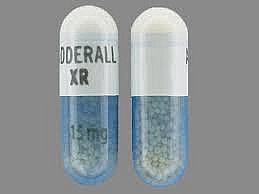
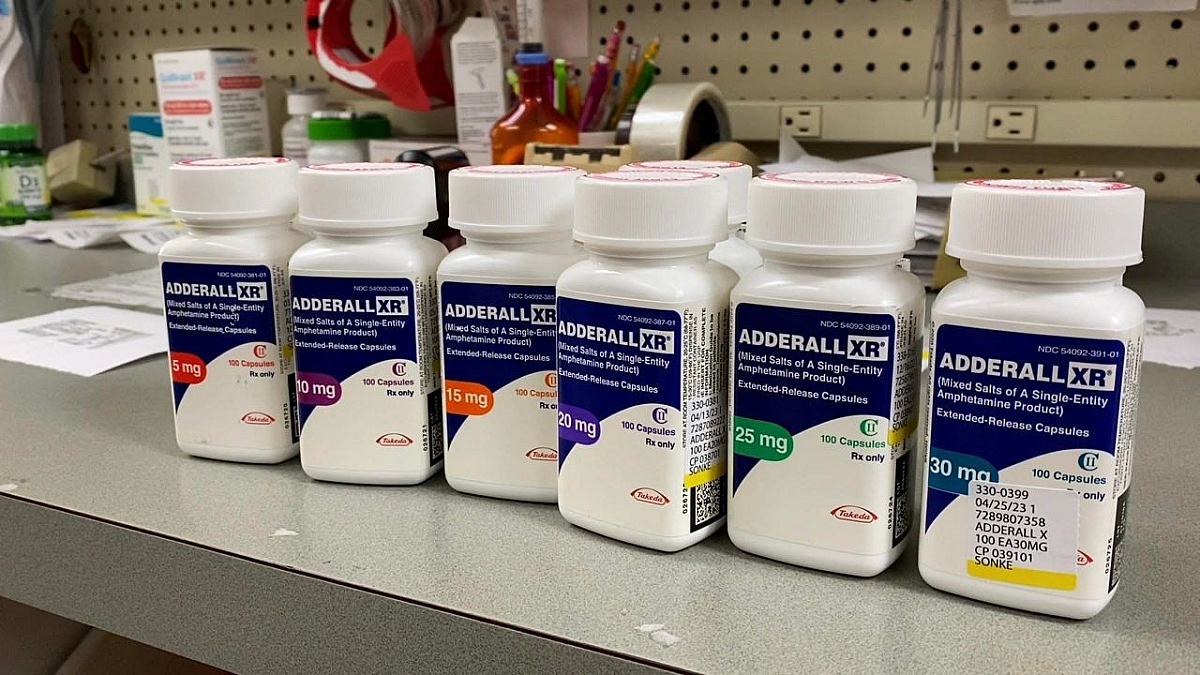
For teens and those with developing brains, this transition can feel particularly severe. It is crucial to never stop or change your dose without talking to your doctor, as the resulting crash can be debilitating. If you are looking to understand how different dosages and pill types affect this withdrawal potential, you can consult resources like this what Adderall pills look like (colors, dosages & imprints) for more detailed information.
Reason 4: Neurotransmitter Imbalance and Chemical Chaos
Long-term use of stimulants doesn't just affect dopamine and norepinephrine; it can throw other systems out of whack, specifically serotonin.
While Adderall targets the "focus" chemicals, the brain is an interconnected ecosystem. Flooding the system with dopamine can inadvertently impact serotonin regulation. Serotonin is vital for mood regulation, sleep, and overall energy stability. When this balance is disrupted, it creates a state of "chemical chaos."
This imbalance often manifests as:
- Emotional sensitivity: Sudden waves of sadness or anger.
- Fogginess: Difficulty processing information even when the medication is "working."
- Low motivation: You might be awake, but you lack the drive to do anything.
Research suggests that the adolescent brain is especially vulnerable to these imbalances. The constant chemical overload can amplify feelings of sluggishness and lower self-esteem. Even if you haven't stopped the medication, the periods where the drug wears off expose these underlying instabilities, making you feel tired and mentally "heavy."
Reason 5: Inadequate Dosing, Misuse, and Physiological Stress
Sometimes, the fatigue isn't caused by the brain chemistry alone, but by how the drug is being used. Inadequate coverage or physiological stress can cause "pseudo-fatigue."
Inadequate Dosing: If your dose is too low, you might experience a partial effect. You get the side effects (like anxiety or increased heart rate) without the therapeutic focus. This leaves your body stressed and your brain unmedicated, resulting in irritability and exhaustion as you try to force yourself to concentrate.
Misuse and High Doses: Taking higher doses than prescribed leads to a state of chronic intoxication. While this might provide a temporary burst of hyper-focus, it is followed by severe physical exhaustion. The body is overworked—heart rate is up, blood pressure is elevated, and anxiety is high. This burns through your energy reserves rapidly.
Physical Side Effects: Common side effects can actively drain your energy:
- Appetite Suppression: Many users forget to eat or drink water. Skipping meals leads to low blood sugar (hypoglycemia), which causes shaking, weakness, and intense fatigue. Dehydration has a similar effect, leading to brain fog and tiredness.
- Muscle Tension: Being "wired" often leads to unconsciously clenching the jaw or tensing the shoulders. This physical strain drains energy over the course of a day.
Furthermore, if you have ever received a generic version that you feel isn't working the same as your usual prescription, it's vital to verify what you have. Using an Adderall pill identifier can help ensure you are taking the correct medication, as inconsistencies in generic absorption rates can sometimes lead to poor coverage and subsequent fatigue.
Broader Context: Short-Term vs. Long-Term Effects
It is helpful to distinguish between the tiredness you feel immediately versus the tiredness that builds up over time.
- Short-Term: These include dry mouth, headaches, nervousness, and the "crash" as the dose wears off. These are often signs that the immediate timing or dosage needs adjustment.
- Long-Term: With prolonged use, the risks of dependence and tolerance increase. The brain becomes less responsive to the drug, requiring higher doses to achieve the same effect. This cycle can lead to chronic fatigue syndromes where the user feels tired almost all the time unless the medication is actively peaking in their system.
Summary of Tiredness Triggers
To recap, here is why a drug built to energize might be draining you:
- Crash/Rebound: A steep drop in dopamine levels when the medication wears off.
- Sleep Issues: Insomnia or poor sleep quality leads to cumulative sleep debt.
- Withdrawal: The brain is temporarily unable to produce its own energy chemicals.
- Imbalance: Serotonin and noradrenaline disruption messes with mood and energy regulation.
- Dosing & Physical Health: Poor coverage, missed meals (appetite suppression), and dehydration cause physical burnout.
When to Seek Help: Recognizing Serious Signs
While fatigue is a common side effect, persistent exhaustion that impacts your quality of life requires a medical review. You should seek help if your tiredness coincides with:
- Symptoms of depression (hopelessness, loss of interest in life).
- Heart changes (chest pain, palpitations).
- Thoughts of self-harm.
Boxed warnings on Adderall highlight the risks of misuse and dependence. Always discuss dosage adjustments with your doctor. They may suggest switching to an extended-release formula, adjusting the timing, or looking for underlying sleep disorders.
FAQ
Why does Adderall make me feel sleepy instead of energetic? This often happens because your brain chemistry attempts to balance itself by lowering natural neurotransmitter production while the drug is in your system. Once the medication wears off, your levels drop below your baseline, causing a "rebound" exhaustion. Additionally, if you are not sleeping well due to the medication, you are simply accumulating sleep debt.
Is it normal to feel tired as the medication wears off? Yes, this is known as the "rebound effect" or the "Adderall crash." As the stimulant effect leaves your system, your brain experiences a temporary deficit in dopamine and norepinephrine. This manifests as fatigue, irritability, and a low mood.
How can I stop the afternoon fatigue? Discuss your dosing schedule with your doctor. They may suggest taking your dose earlier in the day, switching to a long-acting formulation for smoother coverage, or adding a small afternoon "booster" dose to bridge the gap. Never adjust your dose on your own.
Does Adderall affect my sleep quality even if I don't feel awake? Yes, stimulants can suppress REM sleep, the most restorative phase of the sleep cycle. Even if you sleep for 8 hours, the quality of that sleep may be poor, leading to daytime exhaustion and brain fog.
Should I stop taking my medication if I feel tired? Never stop or change your dose without talking to your doctor. Sudden cessation triggers withdrawal, which includes severe fatigue, depression, and other physical symptoms. Your doctor can help you taper off or adjust your treatment plan safely.
Disclaimer: This article is for informational purposes only and does not constitute medical advice. Always consult with a healthcare professional regarding medical conditions and treatments.