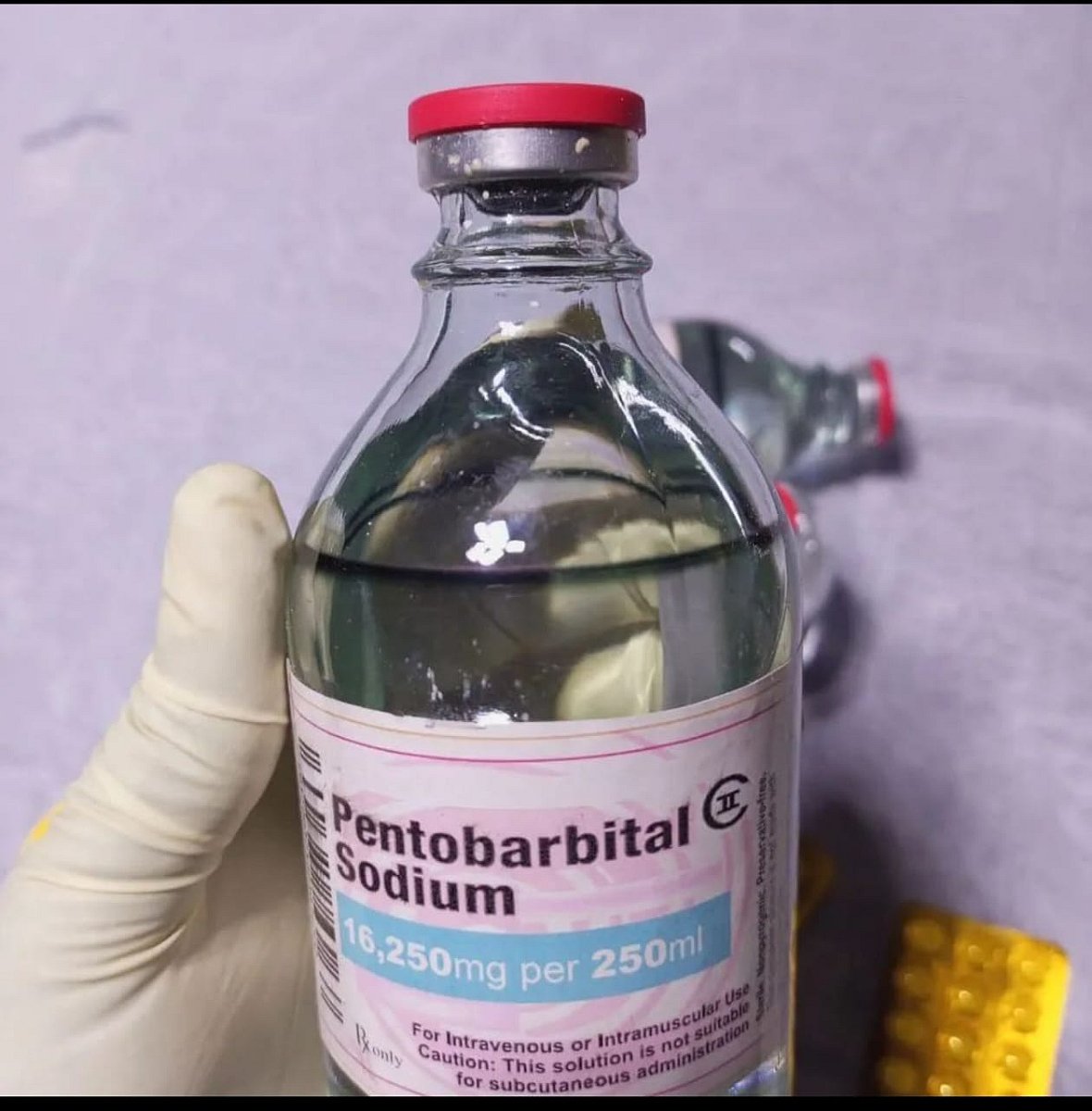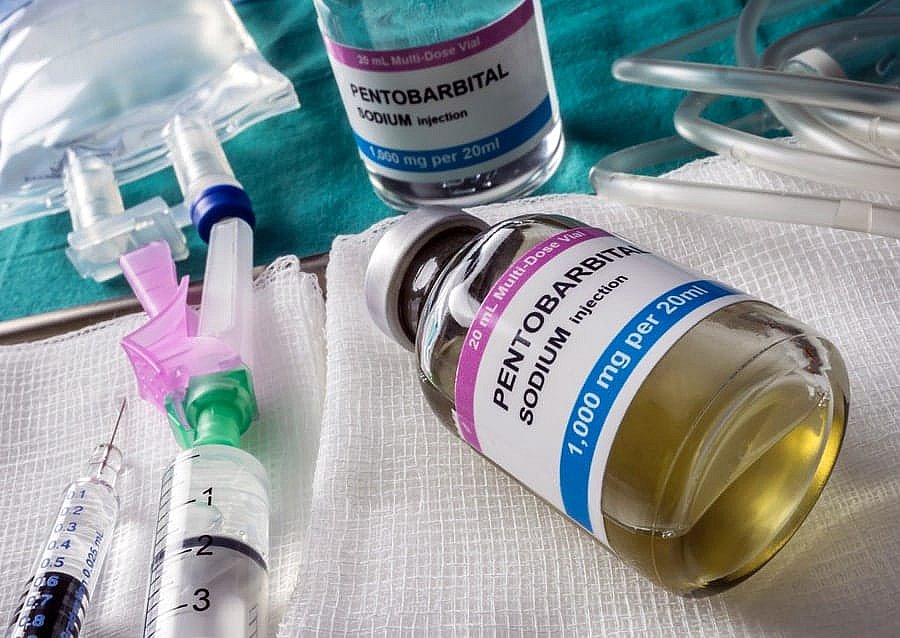
Did you know that most people confuse two names for the exact same substance? If you ever wonder about the relationship between Nembutal and pentobarbital, you are not alone. These two terms frequently appear together, but the reality remains simple: Nembutal functions as the brand name for the drug pentobarbital, a type of barbiturate medication. No true "versus" scenario exists here, as you are not comparing two distinct drugs. The situation mirrors a comparison between a specific soft drink brand and its generic version. This post examines pentobarbital, its function, its effects, in addition to the serious safety concerns in clear, direct language.
📱 Fast Reference: Nembutal at a Glance
For readers on the go, here are the essential facts:
- Drug Name: Pentobarbital (Brand: Nembutal)
- Drug Class: Barbiturate (Sedative-Hypnotic)
- Onset Speed: Rapid (10–15 minutes)
- Duration: Short-acting (3–4 hours)
- Medical Status: Schedule II Controlled Substance (High abuse potential)
- Primary Uses: Anesthesia induction, seizure control, intracranial pressure relief.
- Safety Window: ⚠️ Narrow (The difference between a therapeutic dose and a fatal dose is small).
- Key Risk: Respiratory depression, especially when mixed with alcohol.
What Exactly Is Pentobarbital (Nembutal)?
Pentobarbital falls under a family of drugs known as barbiturates. These substances act as sedative-hypnotics that slow the central nervous system to help with sleep, seizures, or brain calmness.
- Action: It acts as a short-acting barbiturate, which means it takes effect in 10 to 15 minutes and lasts for 3 to 4 hours.
- Composition: It arrives as a sterile solution for injection at 50 mg per milliliter, often mixed with ingredients like propylene glycol and alcohol.
- Medical Application: Doctors utilize it for conditions such as insomnia, anxiety, control of high pressure in the skull, or as a component of anesthesia to induce a deep, sleep-like state.
In comparison to longer-acting barbiturates, such as phenobarbital, which require one hour to take effect and last much longer, Nembutal acts quickly but briefly. It functions like a short nap compared to a full night of rest—both provide relief, but one fades faster. For a more detailed breakdown of the drug's background, you can refer to this comprehensive guide on Nembutal pentobarbital uses, effects, classification, and risks.
A Brief History of Nembutal and Barbiturates
To understand the drug's current status, we must look back. Barbiturates were first synthesized in the late 19th century, but Nembutal (pentobarbital) gained prominence in the 1930s. For decades, it was a go-to prescription for anxiety and sleep disorders. The iconic yellow capsules, known as "yellow jackets," became a cultural symbol of the stressful modern lifestyle. However, by the 1960s and 70s, the high incidence of accidental overdose and suicide linked to barbiturates prompted a medical shift. Safer alternatives like benzodiazepines (e.g., Valium) began to replace them, leaving Nembutal with a much smaller, specific role in modern medicine.
Nembutal Forms and Dosage: Capsules, Liquid, and Veterinary Uses
Nembutal has taken several forms over the years, though availability has shifted due to safety concerns.
- Injectable Solution: Today, the most common form found in human hospitals is the sterile liquid solution. This is typically used for emergency seizures or anesthesia induction. It allows doctors to control the dosage precisely.
- Nembutal Capsules (Historical): Historically, the most recognizable form was the oral capsule. These were color-coded by dosage, with the 100mg yellow capsules being the most famous. While rarely prescribed for home use now due to the risk of overdose, they remain a significant part of the drug's history.
- Veterinary Use of Pentobarbital: In veterinary medicine, pentobarbital is the standard agent for euthanasia. The solution used here is often a much higher concentration than that used for human sedation. It provides a peaceful, painless passing for suffering animals, which highlights the drug's potency in shutting down the central nervous system.
How Does Nembutal Work? Effects on the Brain Explained
Barbiturates like Nembutal boost a brain chemical known as GABA, which quiets overactive nerves. This process leads to relaxation, drowsiness, next to occasionally complete unconsciousness.
Positive Medical Effects of Pentobarbital
- Sedation and sleep: It provides relief for short-term insomnia by helping you fall asleep fast.
- Anxiety relief: It calms nerves without the stimulation found in other drugs.
- Seizure control: It lowers brain activity to stop convulsions.
- Anesthesia aid: It places you into a deep, controlled sleep for medical procedures.
Common Side Effects of Nembutal Even with proper medical use, the drug causes:
- Drowsiness or dizziness the next day.
- Slow breathing or low blood pressure.
- Confusion or poor coordination.
📊 Visual Infographic: Barbiturates vs. Benzodiazepines
One of the most critical comparisons in modern pharmacology is the difference between older barbiturates and newer benzodiazepines. This visual summary highlights why doctors largely switched to "benzos" for anxiety and sleep.
| Feature | Barbiturates (e.g., Nembutal) | Benzodiazepines (e.g., Valium) |
|---|---|---|
| Mechanism | Increases duration of GABA channel opening | Increases frequency of GABA channel opening |
| Safety Margin | 🔴 Very Narrow (Easy to overdose) | 🟢 Wide (Harder to overdose on alone) |
| Antidote | ❌ None specific (Supportive care only) | ✅ Flumazenil (Specific reversal agent) |
| Addiction Risk | High (Physical dependence) | Moderate to High |
| Primary Use Today | Anesthesia, Seizures, Euthanasia | Anxiety, Insomnia, Muscle spasms |
| Lethality | High risk of fatal respiratory depression | Lower risk unless mixed with alcohol/opioids |
Nembutal vs. Other Barbiturates: Key Differences
Since Nembutal is pentobarbital, the real comparison rests on how it performs against other barbiturates based on action time.
| Type | Examples | Onset Time | Duration | Main Uses |
|---|---|---|---|---|
| Ultra-Short-Acting | Thiopental (Penthothal) | Seconds to minutes | Very short | Anesthesia induction |
| Short-Acting | Pentobarbital (Nembutal), Secobarbital | 10-15 minutes | 3-4 hours | Sleep aids, sedation |
| Intermediate-Acting | Amobarbital (Amytal) | 15-45 minutes | 6-8 hours | Anxiety, insomnia |
| Long-Acting | Phenobarbital (Luminal) | Up to 1 hour | 24+ hours | Seizures, detox support |
Nembutal occupies the short-acting group. It is strong enough for quick relief, yet it is not as intense or brief as ultra-short options, and it lasts a much shorter time than long-acting types. Street names like "yellow jackets" or "nembies" come from its yellow color and brand name.
Nembutal Safety Risks: Why Caution Is Key
Barbiturates possess a narrow therapeutic window, meaning the boundary between a helpful dose and a dangerous one remains extremely thin. Misuse occurs frequently, with about 520,000 people misusing them in 2019 alone.
Nembutal Addiction Potential Tolerance builds fast, which necessitates higher doses to achieve the same effect. The drug is highly addictive, particularly when used for sleep or anxiety.
Withdrawal Dangers of Pentobarbital Stopping use suddenly is dangerous and poses a risk to life. Symptoms begin 12 to 24 hours after the last dose for short-acting drugs like Nembutal and peak in 1 to 3 days.
- High blood pressure and fast heart rate.
- Sweating, tremors, along with fever.
- Anxiety, insomnia, as well as hallucinations.
- Seizures or even coma.
Detox requires medical supervision. Doctors monitor your vital signs and often use long-acting phenobarbital to taper off, or they provide anti-seizure medication and tranquilizers. Never stop the drug abruptly, as it leads to failure or death.
Nembutal Overdose Risks Too much of the drug slows breathing until it stops, causes a coma, or triggers heart issues. This is why safer options like benzodiazepines replaced barbiturates for everyday use.
Other Hazards of Nembutal Use
- Liver damage from long-term use.
- Interactions with alcohol or other sedatives multiply the risks.
- Hazard labels warn of toxicity, drowsiness, in addition to reproductive harm.
Nembutal Misuse Statistics and Street Names
While the medical use of Nembutal has dropped, its misuse remains a concern. According to data, barbiturate misuse is less common than opioid misuse but carries a higher fatality rate per overdose incident.
Common Street Names for Nembutal:
- Yellow Jackets
- Nembies
- Barbies
- Blockbusters
These names often refer to the specific appearance of the capsules. "Yellow Jackets" specifically refers to the 100mg Nembutal capsule. The presence of these terms in conversation can be a red flag for abuse.
Nembutal Legal Status by Country
The legal status of Nembutal varies significantly by country, often reflecting its potential for misuse versus its medical necessity.
| Country/Region | Classification | Notes on Availability |
|---|---|---|
| United States | Schedule II | High potential for abuse; strictly controlled hospital use. |
| United Kingdom | Class B | Controlled drug; rarely used for human insomnia. |
| Canada | Schedule IV | Controlled; used in hospitals and for medical assistance in dying (MAID). |
| Australia | Schedule 4 / 8 | Varies by state; tightly restricted. |
| Netherlands | List II | Available for medical use and legal euthanasia programs. |
| Switzerland | Controlled | Used for assisted suicide under strict regulations. |
Alternatives to Nembutal: Safer Modern Options
Because of the risks associated with Nembutal, doctors now prefer safer alternatives for sleep and anxiety.
- Benzodiazepines: Drugs like Xanax (alprazolam) and Valium (diazepam) work similarly on GABA receptors but have a much wider safety margin. They are rarely fatal on their own, making them a preferred choice for anxiety.
- Non-Benzodiazepine Hypnotics (Z-Drugs): Medications like Ambien (zolpidem) target sleep specifically with fewer side effects and less dependency risk compared to barbiturates.
- Cognitive Behavioral Therapy (CBT): For insomnia, CBT is now considered the first-line treatment. It addresses the root cause of sleep issues without the risks of chemical dependency.
Case Study: The Dangers of Mixing Nembutal and Alcohol
Note: This is a generalized example based on medical reports.
The Scenario: John, a 45-year-old man, was prescribed Nembutal for severe insomnia after a car accident. He took his prescribed dose. Later that evening, he had two glasses of wine while watching a movie.
The Result: The alcohol amplified the effect of the Nembutal drastically. Instead of falling asleep, John stopped breathing. His wife found him blue and unresponsive. Paramedics were able to revive him, but he spent three days in the ICU.
The Lesson: This illustrates the "synergistic effect." Alcohol and barbiturates are both CNS depressants. Together, they are not 1+1=2; they are 1+1=10. This interaction is the leading cause of accidental barbiturate death.
Medical Uses of Nembutal Today
Nembutal still serves niche roles:
- Short-term sleep or anxiety treatment, though rarely as a first choice.
- Seizure control or brain pressure management.
- Anesthesia support.
Doctors prefer alternatives because of the high risks. They choose benzodiazepines for anxiety or newer sleep medications. In detox, specialists phase it out using phenobarbital.
Conclusion: Key Takeaways on Nembutal vs. Pentobarbital
Understanding the relationship between Nembutal and pentobarbital is essential for safety. Here are the core points to remember:
- Identity: Nembutal is simply the brand name for pentobarbital; they are the same drug.
- Safety: It has a "narrow therapeutic window," meaning the difference between a safe dose and a fatal one is dangerously small.
- Addiction: It carries a high risk of physical dependence and tolerance.
- Modern Use: It has largely been replaced by benzodiazepines and Z-drugs, which are safer for treating anxiety and insomnia.
- Legal Status: It is a Schedule II controlled substance in the U.S. with tight restrictions globally.
- Interaction Risk: Mixing it with alcohol is life-threatening and often leads to fatal respiratory depression.
Frequently Asked Questions About Nembutal
Is Nembutal different from pentobarbital? No. Nembutal is simply the brand name for the generic drug pentobarbital. They are identical in chemical composition and effect.
Why do doctors rarely prescribe Nembutal for sleep anymore? Doctors avoid it because the line between a therapeutic dose and a lethal dose is extremely narrow. Newer drugs, such as benzodiazepines, offer a safer profile for long-term or common use.
What happens if I stop taking Nembutal suddenly? Stopping suddenly triggers dangerous withdrawal symptoms, including high blood pressure, seizures, along with potential coma. You must seek medical guidance to taper off the drug safely under a doctor's supervision.
Does Nembutal interact with alcohol? Yes. Alcohol acts as a sedative on the central nervous system. Combining it with a barbiturate like Nembutal dangerously amplifies the effects, which can lead to fatal respiratory depression.
Can I buy Nembutal online? Purchasing Nembutal online without a valid prescription is illegal in most jurisdictions and highly dangerous. Many online sources are fraudulent, selling counterfeit or contaminated products. Explore this product
How much does Nembutal cost? The cost varies significantly depending on the form (injection vs. capsule) and the healthcare system. As a generic drug, pentobarbital is generally inexpensive, but the brand name Nembutal can be costly if found.
Is the generic version as effective as the brand? Yes. Generic pentobarbital is bioequivalent to the brand name Nembutal, meaning it works in the same way and provides the same medical benefit.
What is the legal status of Nembutal? In the U.S., it is a Schedule II controlled substance, meaning it has accepted medical use but a high potential for abuse. It is illegal to possess without a prescription.