Do you believe weight loss success relies solely on discipline? For decades, the prevailing narrative suggested that if you simply tried harder, ate less, and moved more, the excess weight would disappear. However, as we move through 2026, the medical and scientific communities have fundamentally shifted this perspective. We now understand that sustainable weight management is rarely just a matter of willpower. Instead, appetite control rests at the forefront of effective strategies.
Today, evidence-based treatments are providing reliable results that bypass the need for sheer self-control. These modern treatments target the biological signals between the gut and the brain, helping people reduce calorie intake naturally and consistently. By addressing the physiological drivers of hunger, new approaches are solving the most common problem in dieting: weight regain.
If you are looking for solutions that prioritize biological regulation over starvation diets, you can explore various science-backed options in the weight loss category. This guide will walk you through the top treatments for 2026, how they work, and how to use them safely for long-term success.
The Science of Appetite: Understanding the Gut-Brain Connection
To appreciate why modern treatments work so well, we must first understand the mechanism of appetite. Hunger is not a character flaw; it is a hormonal conversation. Hormones like GLP-1 (Glucagon-like peptide-1) act as the body's natural satiety signals. They travel from the gut to the brain via the vagus nerve, telling the body that it is full and reducing the desire for high-calorie foods.
In a healthy system, these signals work in a feedback loop. However, in many cases of obesity, the brain becomes resistant to these signals, or the hormones are not produced in sufficient quantities to curb the intense drive to eat. This is why "old-style" diets often fail. They rely on fighting biology with willpower. Biological hunger drives eventually take over, leading to the well-documented statistic where over 80% of dieters regain the weight within a year.
The Role of GLP-1 Receptor Activators
When treating obesity medically, GLP-1 receptor activators mimic these natural satiety hormones. The key difference is potency and duration. While natural GLP-1 hormones last only minutes, these medical treatments extend the action to days. This results in a profound suppression of appetite and a physical slowing of stomach emptying.
Patients frequently describe the effect as the disappearance of "food noise"—the constant, intrusive thoughts about food, cravings, and mental energy spent on meal planning. By quieting this noise and physically keeping food in the stomach longer, these treatments allow individuals to make healthier choices without the constant struggle against hunger pangs.
Leading Injectable Treatments for 2026
Injectable GLP-1 agonists remain the gold standard for significant weight loss in 2026. These medications have moved the focus from behavioral modification to biological control, achieving body weight loss results of 15-20% in clinical trials, compared to the 5-10% typical of older diet pills.
Semaglutide: The Standard of Care
Semaglutide is perhaps the most well-known name in weight management today. It works by copying the GLP-1 hormone, creating a feeling of fullness and delaying gastric emptying. Beyond just physical fullness, it appears to change the way the brain values food rewards, specifically reducing cravings for sweets and fats.
There are two primary formulations of semaglutide that patients utilize, depending on their specific health profile:
- Wegovy: This formulation is specifically FDA-approved for chronic weight management. It is tailored for individuals with obesity or weight-related comorbidities. Patients looking to specifically target body weight often choose to use Wegovy semaglutide weekly weight loss injection as part of their regimen.
- Ozempic: Originally developed for Type 2 diabetes, Ozempic contains the same active ingredient (semaglutide) and is widely used off-label or prescribed for weight loss due to its effectiveness. For those managing blood sugar alongside weight, the Ozempic pen semaglutide online provides a versatile solution.
Tirzepatide: The Dual-Action Agonist
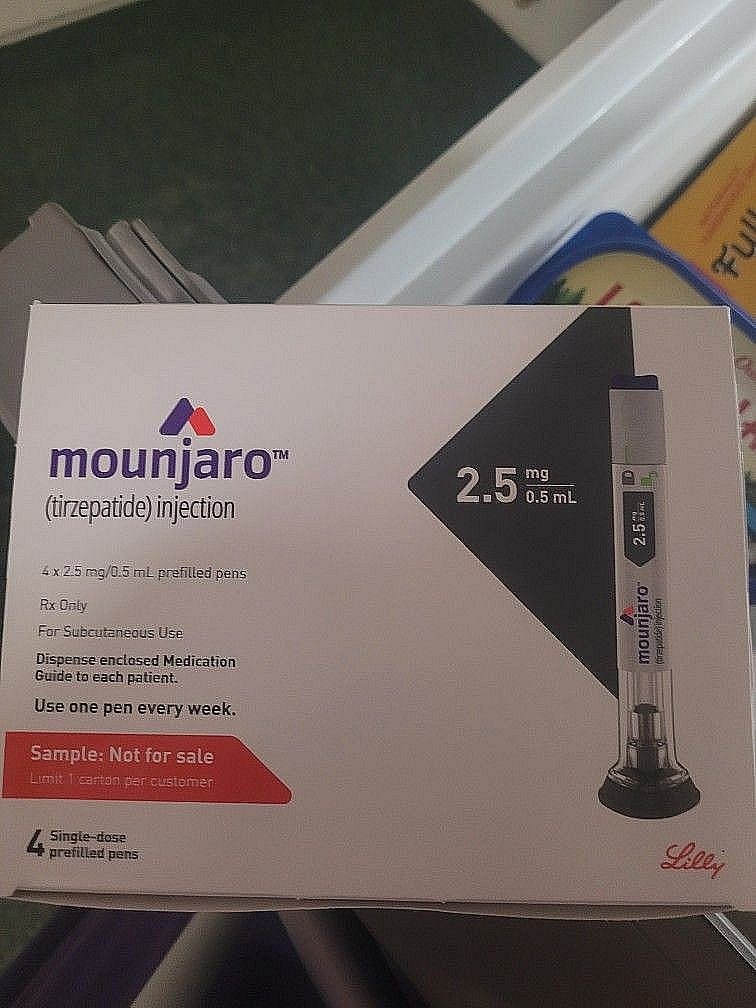
Following the success of semaglutide, tirzepatide emerged as a formidable next-generation treatment. Marketed under names like Mounjaro, this medication represents an evolution in the technology. It is a dual agonist, meaning it targets two hormone receptors: GLP-1 and GIP (Glucose-dependent insulinotropic polypeptide).
By targeting both pathways, Mounjaro tirzepatide weekly weight loss injection can offer enhanced appetite suppression and potentially superior weight loss results compared to single-hormone treatments. Many users report an even more potent reduction in "food noise," making it easier to adhere to a calorie-controlled diet without feeling deprived.
Liraglutide: Daily Flexibility
While weekly injections are convenient for many, some patients prefer the control of a daily dosing schedule or may respond better to the molecular structure of liraglutide. Sold under the brand name Saxenda, this medication acts on similar receptors but requires a daily administration.
For those who prefer to fine-tune their dosage every day or who may have had an insufficient response to weekly shots, Saxenda liraglutide daily weight loss injection remains a cornerstone of obesity treatment. It has a long track record of safety and efficacy, helping patients lose weight by steadily increasing satiety.
The Rise of Oral Medications and Pills
By 2026, the landscape of appetite control is not limited to needles. A significant shift is occurring toward oral therapies. Pills promise wider access because they avoid injection-site issues, storage constraints, and needle phobia.
Next-Gen Oral GLP-1s and Appetite Suppressants
While injectables currently offer the highest potency, oral medications are catching up. New agents in development aim to maintain weight loss after initial injectable use by gently activating gut fullness signals without the sharp side effects of high-dose injections.
Furthermore, established appetite suppressants continue to play a role. Phentermine, a stimulant that affects the central nervous system to decrease appetite, has been a mainstay for decades. It is particularly useful for jumpstarting weight loss in the initial stages of a program.
A popular option in this category is Acxion pills fentermina 30 mg. This medication provides an oral alternative for those who need strong hunger control to break through weight loss plateaus. It is often prescribed for short-term use to help patients establish new, healthy eating habits before transitioning to long-term maintenance strategies.
Experts and NCBI reviews predict that by late 2026, several new oral appetite suppressants will gain approval, offering outcomes that rival injections with the convenience of a tablet. These are particularly suited for individuals with irregular schedules or those who experience hormonal hunger during menopause.
Challenges and Nutritional Realities
While the ability to stop hunger is a powerful tool for loss, it introduces a new challenge: the risk of nutrient deficiencies. When the drive to eat is chemically suppressed, patients may consume significantly less food than usual. Unfortunately, "less food" often means "fewer nutrients."
Research from leading institutions highlights that advice to "just eat healthy" is often not enough when on these medications. Patients frequently end up with deficiencies in protein, Vitamin B12, Vitamin D, folate, magnesium, iron, and fiber. If left unchecked, these deficiencies can lead to fatigue, hair loss, and muscle wasting.
Why Protein is Critical
One of the most critical aspects of using these treatments successfully is prioritizing protein intake. When calories drop, the body will burn both fat and muscle for energy. However, preserving muscle mass is essential for maintaining a healthy metabolism. Muscle tissue burns more calories at rest than fat tissue. Therefore, if you lose muscle along with fat, your metabolism slows down, making it easier to regain weight later.
Experts recommend aiming for 1.6 grams of protein per kilogram of body weight daily. This ensures that the weight being lost is primarily fat.
Hydration and Digestion
These treatments often slow down gastric emptying. This means food stays in the stomach longer, which is great for feeling full but can be uncomfortable. To manage this, patients are advised to:
- Focus on drinking enough water: Thirst signals can sometimes be confused with hunger or may be dampened by the medication.
- Prioritize gut health: Probiotics and fermented foods help maintain a healthy microbiome, which can be disrupted by changes in diet.
- Eat frequent small meals: Instead of three large meals, eating smaller, nutrient-dense portions more frequently can ease stomach upset and ensure adequate nutrient absorption.
Without this structured approach to nutrition, the side effects can undermine the results. This is why a holistic approach—combining medicine with nutrition—is the standard for 2026.
Natural and Behavioral Complements
Medication provides the biological leverage, but behavioral tools ensure that leverage is used effectively. Natural options backed by science can enhance the feeling of fullness. For instance, foods high in dietary fiber naturally increase GLP-1 secretion in the body, working synergistically with the medication.
Behavioral Strategies for Success
Changes in behavior show immense importance in long-term outcomes. Key strategies include:
- Distinguishing Hunger Types: Learning to tell the difference between "emotional hunger" (eating due to stress, boredom, or sadness) and "physical hunger" (biological need).
- Stabilizing Blood Sugar: Using protein to prevent glucose spikes and crashes that trigger cravings.
- Routine Building: Establishing consistent eating and sleeping patterns to regulate circadian rhythms, which influence appetite hormones.
In 2026, the trend is toward digital integration. Using apps to track not just weight, but nutrient intake and mood, helps patients and doctors fine-tune the treatment. This data-driven approach allows for personalization that was not possible with generic diet plans.
Comparative Overview of Treatments
To help visualize the options available in 2026, the following table compares the leading treatments:
| Treatment | Type | Mechanism | Weight Loss Potential | Best For |
|---|---|---|---|---|
| Semaglutide (Wegovy) | Weekly Injection | GLP-1 Agonist | 15-20% | Patients seeking a proven, high-efficacy weekly treatment. |
| Tirzepatide (Mounjaro) | Weekly Injection | GLP-1 & GIP Agonist | 15-20%+ | Those seeking maximum reduction in cravings and "food noise." |
| Liraglutide (Saxenda) | Daily Injection | GLP-1 Agonist | 8-12% | Patients who prefer daily dosing control. |
| Phentermine (Acxion) | Oral Pill | CNS Appetite Suppressant | 5-10% | Short-term use to kickstart weight loss; oral preference. |
| Emerging Oral Pills | Oral Pill | Gut Signal Activation | Varies | Maintenance phases or those who cannot tolerate injections. |
Long-Term Success: Preventing Weight Regain
The most significant hurdle in weight management is maintenance. Studies show that weight regain happens faster after stopping these medications than after stopping a traditional diet. This is because the biological drivers of hunger (the hormones) return to their baseline levels, which were likely problematic to begin with.
Therefore, obesity is increasingly viewed as a chronic condition that requires ongoing management, much like high blood pressure. A "cure" is rarely permanent; rather, the condition is managed.
Strategies for Maintenance
- Transition Plans: Some patients may transition from high-dose injections to lower doses or oral maintenance pills like ARD-201 (currently in trials) to manage appetite without aggressive weight loss.
- Behavioral Reinforcement: By the time weight loss goals are reached, the behavioral habits established (protein focus, mindful eating) must be second nature.
- Menopause and Hormonal Shifts: For women over 40, hormonal changes can drive weight gain. Treatments tailored to these specific needs are crucial for preventing regain during this life stage.
Complete plans combine medications with robust nutritional support and systems that monitor progress. If you are ready to explore these options, you can visit our home page to start your journey toward a healthier future.
Practical Steps for Real Results in 2026
If you are ready to move beyond willpower and achieve real, lasting results, follow this practical roadmap:
- Consult a Specialist: Check if you qualify for treatment based on your BMI and health history. Focus on treatments that address the biological root of your appetite.
- Select the Right Modality: Decide if a weekly injection like Wegovy or an oral option like Acxion fits your lifestyle better.
- Prioritize Nutrition: Do not rely on the drug alone. Plan your meals to ensure high protein intake. Aim for 1.6g of protein per kg of body weight to protect your muscle mass.
- Track Nutrients: Use apps to track not just calories, but micronutrients (vitamins and minerals) to prevent deficiencies.
- Hydrate: Drink water consistently throughout the day. Dehydration can masquerade as hunger or worsen side effects like nausea.
- Plan for the Long Term: Discuss a maintenance plan with your doctor. Do not view the medication as a temporary fix, but as a tool for long-term health management.
- Stay Informed: The landscape of weight loss is constantly evolving. Keep up with the latest treatments and evidence-based advice.
By combining the power of modern medicine with sound nutrition and behavioral changes, lasting weight control is finally within reach. You can browse the full range of available products and treatments in our weight loss category to find the right fit for your health goals.
Frequently Asked Questions
How exactly do these treatments stop "food noise"?
"Food noise" refers to the obsessive, constant thoughts about eating. Medications like semaglutide and tirzepatide work on the brain's reward centers. They dampen the dopamine release usually associated with eating high-sugar or high-fat foods. Simultaneously, they boost the satiety signals in the hypothalamus. This combination effectively "turns down the volume" on cravings, allowing patients to focus on their daily lives without constant mental distraction from food.
Are oral pills as effective as the injections?
Currently, the weekly injections (like Wegovy and Mounjaro) generally produce higher percentages of total body weight loss because they allow for higher concentrations of the drug in the system compared to early oral versions. However, oral medications are rapidly improving. They offer the benefits of convenience and are often easier to tolerate. For some, an oral appetite suppressant like Acxion Fentermina might be sufficient, while others with more significant weight to lose may require the potency of injections.
What are the risks of nutrient deficiencies?
Because these treatments reduce appetite so effectively, patients often eat much less volume than they used to. This creates a risk of not consuming enough essential vitamins, minerals, and fiber. Common deficiencies include Vitamin B12 and iron (leading to anemia), Vitamin D (bone health), and magnesium. This is why doctors recommend blood tests to monitor levels and often suggest a diet focused on nutrient-dense foods rather than just "empty" calories.
Is it safe to buy these treatments online?
Safety is paramount. While buying online offers convenience and privacy, it is essential to use reputable sources that provide genuine products. Always ensure you are purchasing from verified vendors like Discreet People to avoid counterfeit medications that could be dangerous.
What happens if I stop the medication?
Clinical trials have shown that when patients stop these weight loss medications, their appetite hormones return to baseline levels, and often, the hunger comes back stronger than before. This leads to rapid weight regain if lifestyle habits haven't been solidified. It is crucial to view these treatments as part of a long-term health strategy. If you decide to stop, it should be done under medical supervision, often with a plan to transition to a maintenance dose or alternative behavioral strategies.