Table of Contents:
- Understanding Saxenda and Its Role in Weight Management
- What Exactly Is a 30-Day Supply of Saxenda?
- The Saxenda Dosage Schedule: How It Works
- Calculating Your 30-Day Supply Needs
- The Cost Considerations of Saxenda Treatment
- Weight Loss Results: What to Expect
- Practical Tips for Managing Your Saxenda Supply
- Common Questions About Saxenda Supply and Dosing
- The Bottom Line
- FAQ
Understanding Saxenda and Its Role in Weight Management
Did you know that weight loss medications often require a complex dosing schedule that drastically changes how much medicine you receive each month? Saxenda, the brand name for liraglutide, represents a significant advancement in prescription weight loss treatment. This medication belongs to a class of drugs called GLP-1 receptor agonists, which work by mimicking a natural hormone in your body that helps regulate appetite and blood sugar levels. Since its FDA approval in 2014, Saxenda has become the first GLP-1 agonist specifically approved for weight reduction in adults and children aged 12 and older.
Understanding what a 30-day supply of Saxenda actually means—and how that relates to your dosage, cost, and weight loss journey—is crucial if you're considering this treatment option. Unlike some newer weight loss medications that require weekly injections, Saxenda requires daily injections, which significantly impacts how long each pen lasts and what you receive when you get your prescription filled.
The mechanism of action for Saxenda is fascinating. When you inject liraglutide, it activates GLP-1 receptors throughout your body, which triggers several effects that support weight loss. First, it slows down the emptying of your stomach, making you feel fuller longer after eating. Second, it works directly on your brain to reduce appetite and food cravings. Third, it helps regulate blood sugar by increasing insulin secretion when blood sugar is high and decreasing glucagon secretion when blood sugar is low.
For those struggling with obesity or overweight with related health conditions, Saxenda offers a medical option that addresses the physiological aspects of weight management, not just the behavioral ones. When combined with lifestyle changes including a reduced-calorie diet and increased physical activity, Saxenda can help people lose and maintain weight loss more effectively than lifestyle changes alone.
If you're interested in exploring Saxenda as a weight loss option, you can buy Saxenda liraglutide daily weight loss injection from reputable sources. It's part of a broader category of weight loss solutions that include other medications and approaches.
What Exactly Is a 30-Day Supply of Saxenda?
A 30-day supply of Saxenda doesn't mean you receive enough medication for exactly 30 days regardless of your dose. Instead, how long each pen lasts depends entirely on your current dose level. This represents an important distinction that many people misunderstand when they first begin treatment.
Each Saxenda pen comes prefilled and delivers multiple dose strengths: 0.6 mg, 1.2 mg, 1.8 mg, 2.4 mg, or 3.0 mg. The pen contains a fixed amount of medication, so how long it lasts depends on how much medication you inject each day. Here's how the math breaks down:
- At 0.6 mg daily - One pen lasts about 30 days
- At 1.2 mg daily - One pen lasts about 15 days
- At 1.8 mg daily - One pen lasts about 10 days
- At 2.4 mg daily - One pen lasts about 7-8 days
- At 3.0 mg daily - One pen lasts about 6 days
This means that as you increase your dose during the initial titration period, you actually need more pens to maintain a consistent 30-day supply. Someone at the typical maintenance dose of 3.0 mg daily needs approximately five pens to cover a full month, while someone just starting treatment at 0.6 mg might need only one pen.
The packaging of Saxenda is designed to be user-friendly, with clear dosing indicators and simple instructions for use. Each pen contains 18 mg of liraglutide in 3 mL of solution, and the dose selector allows you to choose your prescribed dose with each injection. The pen uses a fine needle to minimize discomfort, and many users report that the injection process is relatively painless once they become accustomed to it.
It's important to note that Saxenda pens should never be shared with others, even if the needle is changed. Sharing pens poses a risk of transmission of blood-borne pathogens. Additionally, each pen should be used according to the manufacturer's instructions and discarded after 30 days of first use, even if there's medication remaining inside.
The Saxenda Dosage Schedule: How It Works
Understanding the dosage schedule is critical because it directly impacts how many pens you need and how long your supply lasts. Saxenda treatment begins at a low dose and gradually increases over five weeks to minimize side effects.
The Standard Titration Schedule
The FDA-approved dosage titration follows this schedule:
- Week 1 - 0.6 mg once daily
- Week 2 - 1.2 mg once daily
- Week 3 - 1.8 mg once daily
- Week 4 - 2.4 mg once daily
- Week 5 and beyond - 3.0 mg once daily
This gradual increase is intentional. By starting low and increasing slowly, your body has time to adjust to the medication, which significantly reduces common gastrointestinal side effects like nausea and vomiting. This approach has proven valuable in clinical trials and remains the recommended method across all major guidelines, including the FDA and the UK's NICE guidelines.
Why Do I Need Daily Injections?
Unlike some newer GLP-1 medications such as Wegovy or Zepbound, which are taken once weekly, Saxenda requires daily injections. This difference exists because of how the medication works in the body—specifically, liraglutide has a half-life of approximately 13 hours. This means the drug concentration in your blood decreases by half roughly every 13 hours, necessitating daily injections to maintain therapeutic levels.
You can inject Saxenda at any time of day, with or without meals. However, maintaining consistency in the timing of your injections each day helps keep medication levels stable in your body. Many users find it helpful to incorporate their injection into a daily routine, such as before breakfast or before bed.
The Maintenance Dose
The recommended maintenance dose is 3.0 mg daily, and most people will reach and maintain this dose. Clinical trials have consistently shown that 3.0 mg provides the optimal balance between efficacy and safety. Importantly, doses higher than 3.0 mg are not approved, and research indicates they don't provide additional weight loss benefits while significantly increasing the risk of adverse reactions.
For most adults, reaching the 3.0 mg maintenance dose by week five is the goal. However, some individuals—particularly children—may take longer to reach this dose, sometimes up to eight weeks. If someone cannot tolerate the 3.0 mg dose, their healthcare provider might recommend staying at 2.4 mg or considering alternative treatments.
Calculating Your 30-Day Supply Needs
Once you understand the dosage schedule, calculating your 30-day supply becomes straightforward. Let's break down what someone might need during their first month of treatment:
- Week 1 (0.6 mg daily) - At this dose, one pen lasts about 30 days, so you need one pen for the entire week and beyond.
- Week 2 (1.2 mg daily) - At double the starting dose, one pen lasts about 15 days. You need approximately two pens to cover this week and the next.
- Week 3 (1.8 mg daily) - At this dose, one pen lasts about 10 days. You need about three pens to cover this week and part of the next.
- Week 4 (2.4 mg daily) - At this dose, one pen lasts about 7-8 days. You need about four to five pens to cover this week and beyond.
- Week 5+ (3.0 mg daily) - Once you reach the maintenance dose, you need approximately five pens per month to maintain a consistent 30-day supply, since each pen lasts only about 6 days at this dose.
This increasing need for pens demonstrates why healthcare providers typically prescribe Saxenda in quantities that match your current dose level rather than providing a flat "30-day supply" regardless of your dosage.
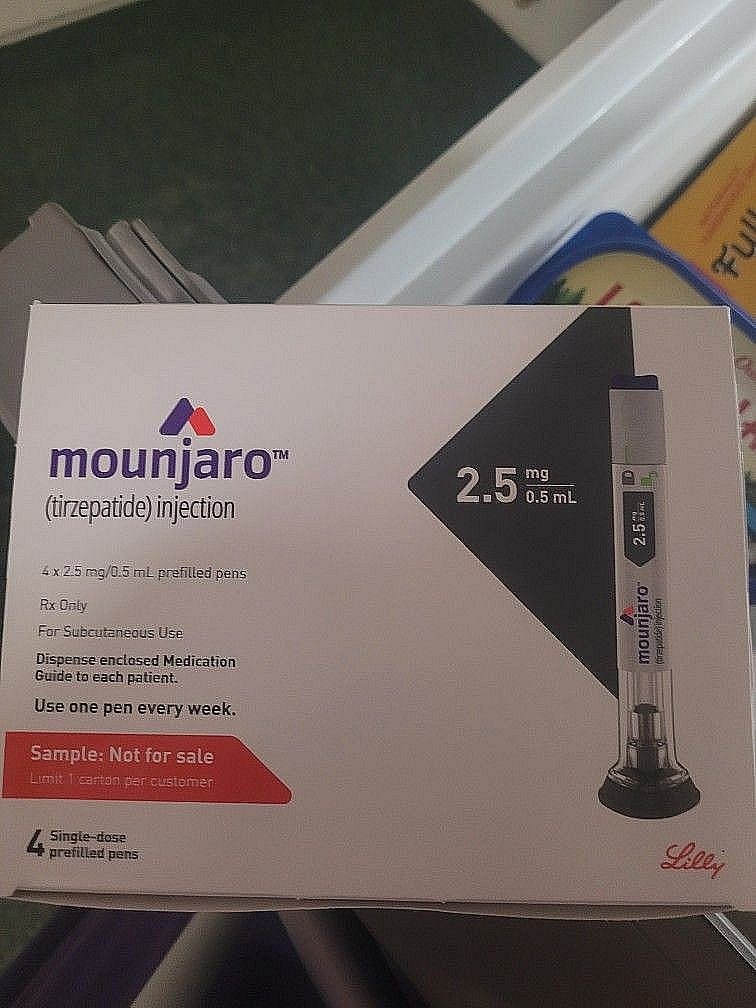
For those considering alternatives, Wegovy semaglutide weekly weight loss injection offers a weekly dosing schedule that some patients prefer. Other options in the weight loss category include Mounjaro tirzepatide weekly weight loss injection and Ozempic pen semaglutide, which work through similar mechanisms but with different dosing schedules. For those who prefer oral medications, Acxion pills fentermina 30 mg might be an alternative worth discussing with a healthcare provider.
The Cost Considerations of Saxenda Treatment
While the search results don't provide specific pricing details, understanding the cost structure is essential for anyone considering Saxenda. The number of pens you need each month directly impacts your total treatment cost, and this cost varies significantly based on your stage of dosing.
During the titration phase (weeks 1-5), you need fewer total pens because you're using lower doses. However, once you reach the 3.0 mg maintenance dose, your monthly pen requirement increases substantially. This is why discussing cost and insurance coverage with your healthcare provider is crucial before starting treatment.
Many insurance plans cover Saxenda, particularly when prescribed for weight loss in patients who meet specific criteria (typically a BMI of 30 or higher, or 27 or higher with weight-related comorbidities). Some pharmaceutical manufacturers also offer assistance programs or discount cards to reduce out-of-pocket costs.
The cost structure of Saxenda can be surprising to patients who expect a consistent monthly expense. During the first month of treatment, as you're titrating up, your medication costs will be lower than in subsequent months when you reach the maintenance dose. This is an important consideration for budgeting purposes.
For those without insurance coverage, the cost can be substantial. Some patients find savings through manufacturer coupons, patient assistance programs, or by purchasing from international sources through reputable online pharmacies. However, it's crucial to ensure you're buying genuine medication from a trusted source.
When comparing costs with other weight loss medications, it's important to consider the total monthly expense at maintenance dose rather than just the price per pen. For example, while a weekly injection like Wegovy might seem more expensive per pen, you need fewer pens per month, which could potentially result in similar or even lower total monthly costs.
Weight Loss Results: What to Expect
Clinical trials have demonstrated Saxenda's effectiveness for weight loss, though results vary among individuals. The medication works by reducing appetite and increasing feelings of fullness, which helps people naturally consume fewer calories.
It's important to note that weight loss results depend on many factors beyond just the medication, including your diet, physical activity level, sleep quality, stress management, and individual metabolism. Saxenda works best when combined with lifestyle changes such as healthier eating habits and regular exercise.
Most people who respond well to Saxenda begin seeing changes within the first few weeks of reaching their maintenance dose. However, the medication requires daily, consistent use—skipping doses reduces its effectiveness. This is why the daily injection requirement, while sometimes viewed as inconvenient compared to weekly alternatives, actually supports better adherence and more consistent results for many patients.
The gradual titration schedule also supports sustainable weight loss. By starting low and increasing slowly, your body adjusts to the medication's effects, and you're more likely to build lasting healthy eating habits rather than experiencing dramatic changes that don't last.
In clinical trials, participants using Saxenda along with lifestyle modifications lost significantly more weight than those using lifestyle modifications alone. On average, people taking Saxenda lost about 5-10% of their body weight over a year, though some individuals lost more and others lost less.
The timeline for weight loss varies, but most people see the most significant weight loss in the first 6 months of treatment. After this period, weight loss may slow down, and the focus shifts to maintaining the weight loss achieved. This is why long-term commitment to both the medication and lifestyle changes is essential for lasting success.
Practical Tips for Managing Your Saxenda Supply
Staying Organized
Because Saxenda requires daily injections, staying organized is key. Consider using a medication calendar or phone reminder to ensure you don't miss doses. Missing doses reduces the medication's effectiveness and may require you to restart the titration schedule if you miss several days.
Some patients find it helpful to keep a simple log of their injections, noting the date, time, and dose. This can be particularly useful during the titration period when you're changing doses weekly. It also provides valuable information to share with your healthcare provider during follow-up appointments.
Storage and Handling
Proper storage of Saxenda pens is crucial for maintaining medication effectiveness. Before first use, Saxenda pens should be stored in the refrigerator (36°F to 46°F or 2°C to 8°C). Once you start using a pen, you can store it either at room temperature (up to 86°F or 30°C) or in the refrigerator. However, you should discard a pen 30 days after first use, even if there's medication remaining inside.
When traveling, ensure you have appropriate storage for your pens. If you're flying, carry your medication in your carry-on bag rather than checked luggage to avoid temperature extremes. Consider bringing a small cooler with ice packs for car trips in hot weather.
Communicating with Your Healthcare Provider
Regular check-ins with your healthcare provider are essential. They can monitor your progress, adjust your dose if needed, assess your tolerance to the medication, and help manage any side effects. If you're not seeing the expected results or experiencing significant side effects, your provider might recommend staying at a lower dose or considering alternatives.
Be honest with your healthcare provider about your lifestyle habits, challenges, and any side effects you're experiencing. This information helps them make the best recommendations for your treatment plan.
Planning Refills
Because your pen needs change as your dose increases, planning refills strategically is important. During the titration phase, you might only need one or two pens per month, but once you reach the maintenance dose, you'll need significantly more. Working with your pharmacy helps prevent unexpected interruptions in your medication supply.
Consider setting up automatic refills with your pharmacy to ensure you always have medication on hand. It's also wise to request refills several days before you run out to account for any potential delays with insurance approvals or pharmacy stocking issues.
Common Questions About Saxenda Supply and Dosing
Do I skip doses or take Saxenda less often?
No. Saxenda requires daily injections to maintain therapeutic drug levels. Skipping doses or taking it less frequently reduces its effectiveness and may require you to restart the titration schedule. Consistency is key to achieving the best results with Saxenda.
What if I can't tolerate the full 3.0 mg dose?
Some people experience side effects at higher doses. Your healthcare provider may recommend staying at a lower dose like 2.4 mg if that's what works best for your body. This constitutes a valid therapeutic approach, though it may affect weight loss outcomes.
Is a 30-day supply the same for everyone?
No. Your 30-day supply depends entirely on your current dose. Someone at 0.6 mg needs far fewer pens than someone at 3.0 mg for the same 30-day period. This is why prescriptions are often written in terms of number of pens rather than days of supply.
Can I switch from Saxenda to a weekly GLP-1 medication?
Switching between different GLP-1 medications should only be done under the guidance of your healthcare provider. While medications like Wegovy semaglutide weekly weight loss injection or Mounjaro tirzepatide weekly weight loss injection offer the convenience of weekly dosing, they have different dosing requirements and may not be appropriate for everyone.
The Bottom Line
A 30-day supply of Saxenda is significantly different from a 30-day supply of most other medications because how long each pen lasts varies dramatically based on your dose. Understanding this relationship—and how your dose increases over the first five weeks—helps you plan for treatment, anticipate costs, and manage your medication supply effectively.
Saxenda offers a meaningful option for weight loss when combined with lifestyle changes and under medical supervision. The daily injection requirement, while different from some newer alternatives, helps maintain stable medication levels in your body and supports many people in achieving sustainable weight loss results.
Whether you're considering starting Saxenda or already in the early stages of treatment, having a clear understanding of how your supply works, what to expect from the dosage schedule, and how to manage your medication ensures you can focus on what matters most: your health journey.
For those exploring weight loss options, it's worth comparing Saxenda with other available treatments. While Saxenda requires daily injections, alternatives like Wegovy semaglutide weekly weight loss injection offer weekly dosing. Some patients might also consider Mounjaro tirzepatide weekly weight loss injection or the Ozempic pen semaglutide as alternatives. For those who prefer oral medications, options like Acxion pills fentermina 30 mg might be appropriate to discuss with a healthcare provider.
FAQ
How long should I use Saxenda?
Most healthcare providers recommend using Saxenda for at least 16 weeks (four months) at the full 3.0 mg dose. If you haven't lost at least 4% of your starting body weight by that time, your doctor might suggest discontinuing the medication and considering other weight loss options. However, some patients continue using Saxenda long-term if they're achieving results and tolerating the medication well.
What if I miss a day of my Saxenda injection?
If you miss your daily dose and it's less than 12 hours late, simply take the missed dose as soon as you remember. If more than 12 hours have passed since your usual time, skip the missed dose and return to your regular schedule the next day. Do not take two doses to make up for a missed one. If you miss doses for three or more days, contact your healthcare provider, as you may need to restart the titration schedule at the lowest dose.
Do I need to store Saxenda in the refrigerator all the time?
You must store new, unused Saxenda pens in the refrigerator (36°F to 46°F or 2°C to 8°C). Once you start using a pen, you can store it either at room temperature (up to 86°F or 30°C) or in the refrigerator. However, you must discard a pen 30 days after first use, even if there's medication remaining inside. Do not freeze Saxenda, and do not use it if it has been frozen.
Can I take Saxenda if I'm pregnant or breastfeeding?
Saxenda should not be used during pregnancy because weight loss offers no potential benefit to a pregnant woman and may cause fetal harm. If you become pregnant while taking Saxenda, contact your healthcare provider immediately. It's also not recommended while breastfeeding, as it's unknown whether Saxenda passes into breast milk.
What are the most common side effects of Saxenda?
The most common side effects of Saxenda include nausea, diarrhea, constipation, vomiting, decreased appetite, and abdominal pain. These side effects are most common during the dose titration period and often decrease over time as your body adjusts to the medication. More serious but less common side effects include pancreatitis, gallbladder problems, kidney problems, and increased heart rate.
Can I drink alcohol while taking Saxenda?
You can drink alcohol while taking Saxenda, but it's important to do so in moderation. Alcohol can increase the risk of pancreatitis, which is already a potential side effect of Saxenda. Additionally, alcohol contains empty calories that can undermine your weight loss efforts. If you choose to drink, do so in moderation and be aware of how it affects your appetite and food choices.
How does Saxenda compare to other weight loss medications?
Saxenda differs from other weight loss medications in several ways. Compared to weekly GLP-1 agonists like Wegovy or Mounjaro, Saxenda requires daily injections but may have a different side effect profile. Compared to oral medications like phentermine (found in Acxion pills fentermina 30 mg), Saxenda works through a different mechanism and may be appropriate for different patient populations. The best choice depends on your individual health profile, preferences, and how you respond to the medication.